
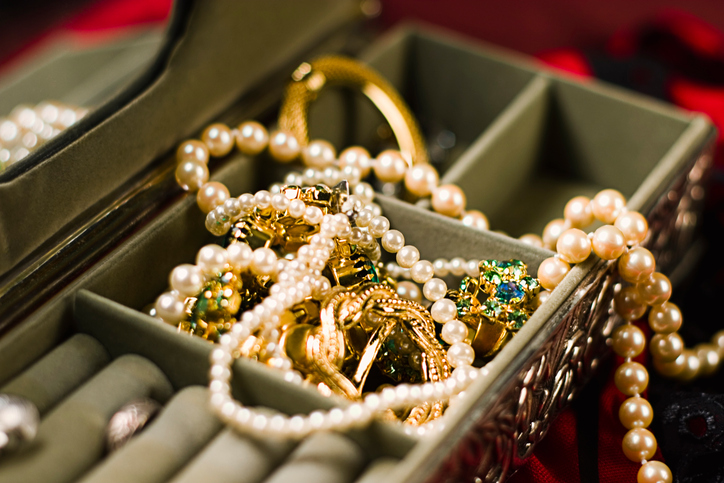

Jewelry has always been more than decoration. It carries stories, traditions, and personal meaning across generations. From ancient civilizations to modern fashion trends, jewelry continues to evolve while holding onto its symbolic essence. Whether worn for elegance, cultural identity, or emotional significance, it remains a powerful form of self-expression.
The Historical Significance of Jewelry
Jewelry dates back thousands of years, with early humans using shells, bones, and stones to create adornments. Over time, these simple pieces transformed into intricate designs made from precious metals and gemstones.
Key historical roles of jewelry:
- Status symbol: Royal families and elites showcased wealth through elaborate pieces
- Spiritual protection: Amulets and talismans were believed to ward off evil
- Cultural identity: Designs reflected traditions, beliefs, and regional heritage
- Trade and economy: Precious metals and gems were used as currency and assets
Ancient Egyptian, Roman, and Indian cultures played a significant role in shaping jewelry craftsmanship that still influences modern designs.
Types of Jewelry and Their Appeal
Jewelry comes in various forms, each serving a unique purpose and aesthetic.
1. Necklaces
- Range from delicate chains to statement pieces
- Often highlight the neckline and enhance outfits
2. Rings
- Symbolize commitment, power, or personal style
- Popular for engagements, weddings, and fashion
3. Earrings
- Available in studs, hoops, drops, and chandeliers
- Frame the face and add elegance
4. Bracelets and Bangles
- Worn individually or stacked for a layered look
- Common in both casual and traditional wear
5. Anklets
- Popular in many cultures, especially in South Asia
- Add subtle charm and movement
Materials Used in Jewelry
The choice of material defines the value, durability, and appearance of jewelry.
Common materials include:
- Gold: Timeless, durable, and culturally significant
- Silver: Affordable and versatile
- Platinum: Rare, strong, and luxurious
- Gemstones: Diamonds, rubies, sapphires, emeralds
- Beads and pearls: Classic and elegant
- Artificial materials: Used in fashion jewelry for affordability
Each material brings its own character and suits different occasions and budgets.
Jewelry in Modern Fashion
Today, jewelry blends tradition with contemporary trends. Minimalism and personalization have gained popularity, reflecting individual tastes rather than societal expectations.
Current trends:
- Layered jewelry: Multiple necklaces or bracelets worn together
- Personalized pieces: Name pendants, birthstones, initials
- Sustainable jewelry: Eco-friendly materials and ethical sourcing
- Mixed metals: Combining gold, silver, and rose gold
Fashion jewelry also allows experimentation without significant financial investment.
How to Choose the Right Jewelry
Selecting jewelry is both a practical and emotional decision. The right piece enhances your appearance while aligning with your personality.
Consider these factors:
- Occasion: Casual, formal, or traditional events
- Skin tone: Warm tones suit gold; cool tones suit silver
- Outfit compatibility: Match or contrast strategically
- Comfort: Lightweight and easy-to-wear designs
- Budget: Balance quality with affordability
Caring for Your Jewelry
Proper maintenance ensures longevity and preserves the shine of your pieces.
Essential care tips:
- Store jewelry in separate compartments to avoid scratches
- Keep away from chemicals like perfumes and cleaners
- Clean regularly with a soft cloth
- Remove before swimming or exercising
- Get valuable pieces professionally checked
Emotional and Symbolic Value
Jewelry often holds sentimental meaning. It may represent love, milestones, or memories passed through generations.
Examples include:
- Engagement rings symbolizing commitment
- Heirloom pieces carrying family history
- Gifts marking special occasions
These emotional connections make jewelry irreplaceable, regardless of its monetary value.
Conclusion
Jewelry remains a timeless blend of art, culture, and personal expression. From ancient traditions to modern minimalism, its significance continues to evolve while staying deeply rooted in human emotion. Whether simple or extravagant, every piece tells a story—making jewelry one of the most cherished forms of adornment in the world.
Frequently Asked Questions (FAQs)
1. What is the difference between fine jewelry and fashion jewelry?
Fine jewelry is made from precious metals and gemstones, while fashion jewelry uses less expensive materials for style purposes.
2. How can I tell if jewelry is real gold?
Check for hallmarks, perform a magnet test, or consult a professional jeweler for verification.
3. What type of jewelry is best for daily wear?
Simple and durable pieces like stud earrings, small chains, and lightweight rings are ideal for everyday use.
4. How should I store my jewelry at home?
Use a jewelry box with compartments or soft pouches to prevent scratches and tangling.
5. Can jewelry cause skin allergies?
Yes, especially if it contains nickel or low-quality metals. Hypoallergenic options like gold or platinum are safer.
6. What are the latest jewelry trends?
Minimalist designs, layered pieces, and personalized jewelry are currently very popular.
7. How often should I clean my jewelry?
Light cleaning can be done weekly, while deep cleaning should be done monthly or professionally when needed.

Comments are closed.