
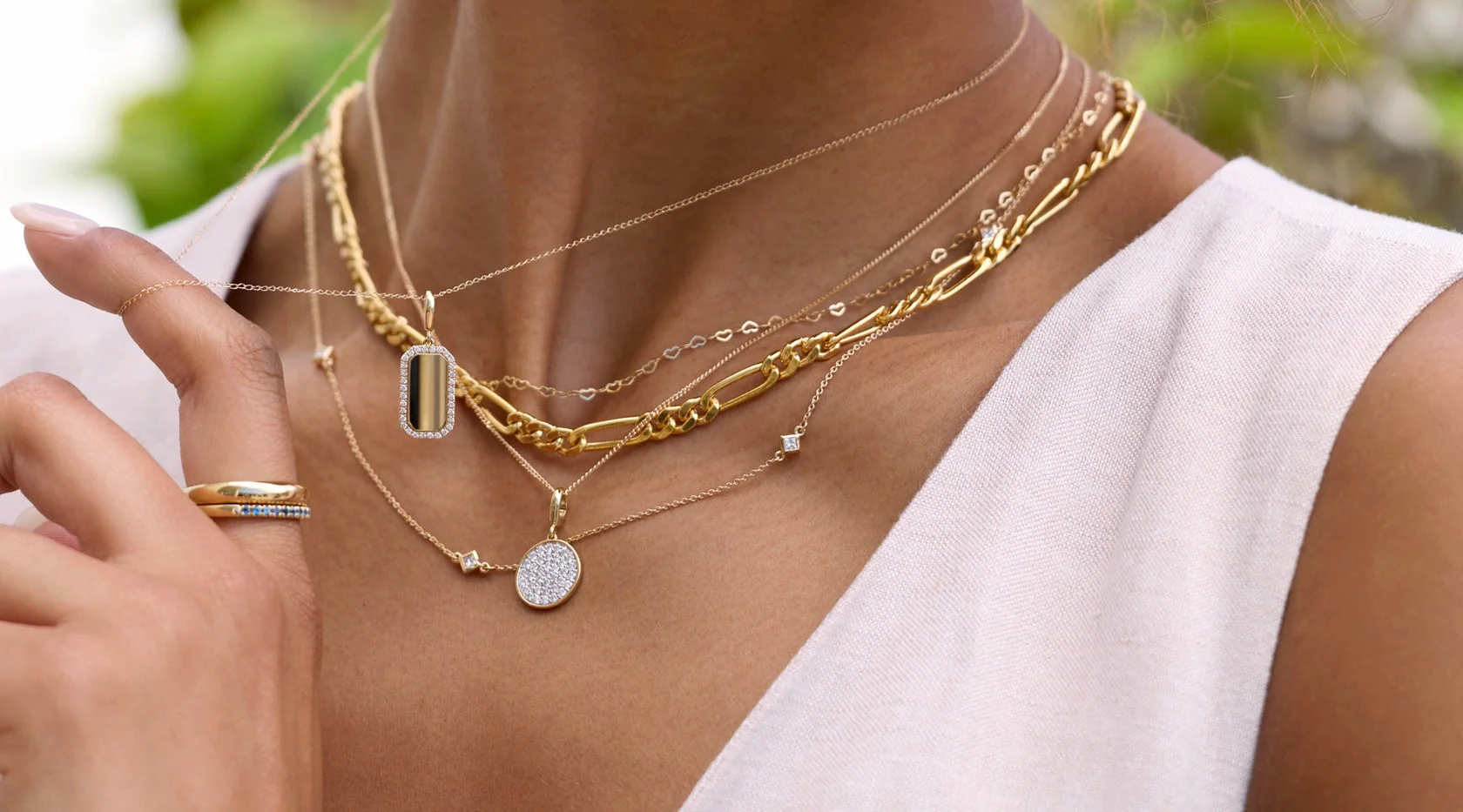

Many seniors love wearing everyday jewelry because it feels personal, polished, and familiar. Yet small clasps can turn a simple necklace or bracelet into a daily struggle, especially when fingers feel stiff, shaky, or sore. In assisted living communities, it is common to see seniors skip favorite pieces simply because fastening them takes too long or feels frustrating.
Magnetic clasps are often suggested as an easier option, but seniors deserve a clear look at both the benefits and the cautions before making the switch.
Why Magnetic Clasps Feel Easier for Seniors
Magnetic clasps are designed to connect with a simple “click” instead of tiny hooks, lobster claws, or spring rings. For seniors with arthritis, reduced grip strength, neuropathy, or limited hand mobility, this can be a major quality-of-life upgrade. Many seniors find that magnetic clasps reduce morning stress because jewelry becomes something that can be put on independently, without asking for help. This matters not only for convenience, but also for dignity, since seniors often feel better when they can manage personal routines on their own.
Magnetic clasps can also make jewelry more wearable throughout the day, because seniors are less likely to avoid necklaces or bracelets due to fear of struggling with them later. For seniors who enjoy dressing neatly for social activities, family visits, or outings, the ease of magnetic clasps can help keep everyday jewelry in regular rotation instead of tucked away in a drawer.
When Magnetic Clasps May Not Be the Best Choice
Even though magnetic clasps are convenient, seniors should consider a few practical concerns. Magnets vary in strength, and a weak clasp can separate if it catches on clothing, a seatbelt, or a handbag strap. Seniors who are active, frequently on the move, or prone to bumping jewelry during daily tasks may be at higher risk of losing a piece. Another concern is that magnets can attract metal objects, which may feel annoying or unsafe in certain environments.
Seniors should also be cautious if a necklace is heavy, since extra weight can increase the chance of the clasp pulling apart. For seniors who have medical devices such as pacemakers or implanted defibrillators, it is wise to follow medical guidance, because magnets can be a concern when placed very close to certain devices. In these cases, seniors may want to choose non-magnetic options or ask a clinician for device-specific safety advice.
Choosing the Right Magnetic Clasp for Everyday Jewelry
If seniors decide to try magnetic clasps, choosing the right style makes a big difference. Seniors often do best with stronger magnets paired with a safety feature, such as a locking mechanism or a secondary chain, which helps prevent jewelry from falling if the magnet separates. Size also matters: seniors typically find larger clasps easier to handle because they are simpler to grasp and align. Material quality is worth attention as well, since seniors with sensitive skin may react to low-quality metals.
Seniors who wear jewelry daily should consider clasps that resist tarnish and hold up to frequent use. It can also help to match the clasp to the jewelry type—lighter bracelets and simple necklaces tend to work well, while heavier or high-value pieces may deserve extra protection. For seniors who have a favorite heirloom item, it may be smarter to test a magnetic clasp on less sentimental jewelry first.
Everyday Tips to Keep Seniors’ Jewelry Secure and Comfortable
Magnetic clasps can be part of a safe routine when seniors use a few simple habits. Seniors can check the clasp connection before leaving home, especially if the day includes walking, errands, or social events. Seniors can also avoid pulling jewelry on and off by the chain, since tugging can weaken attachments over time. When dressing, seniors may find it easier to put jewelry on before slippery fabrics or scarves, which can snag and shift the clasp.
Storage matters too: seniors can keep magnetic-clasp jewelry in a separate spot to prevent it from sticking to other pieces and tangling. If a clasp ever feels loose, seniors should stop wearing the piece until it is repaired, because repeated separations often lead to loss. With a little care, seniors can enjoy the convenience of magnetic clasps while keeping everyday jewelry comfortable, secure, and easy to manage.
Conclusion
Magnetic clasps can be a smart switch for many seniors who want everyday jewelry to feel simple again, especially when hand strength or dexterity is limited. Still, seniors should weigh convenience against security, choose strong clasps with added safety features when needed, and build small habits that protect treasured pieces. With the right approach, seniors can keep wearing the jewelry they love without turning every clasp into a daily challenge.

Comments are closed.