
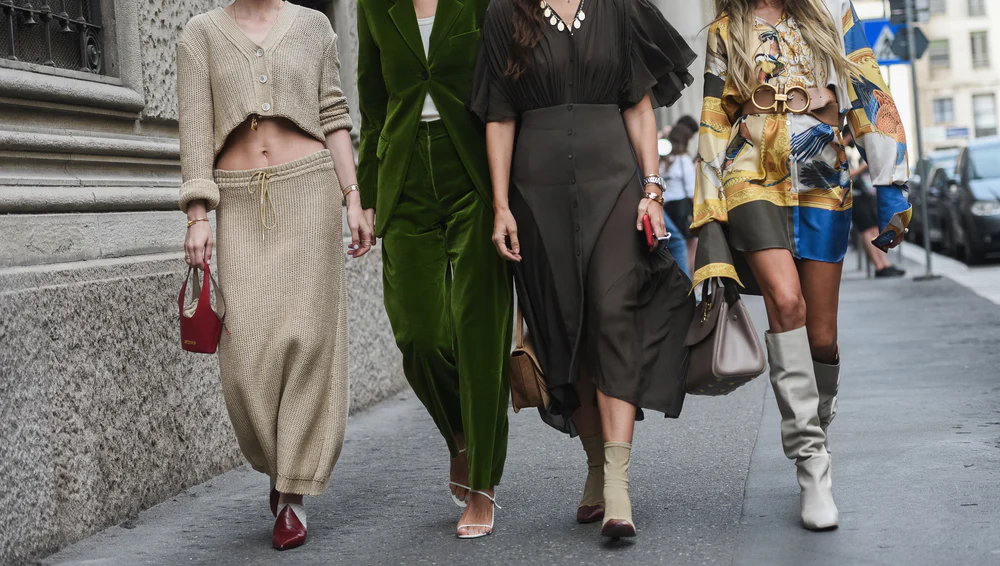

Clothing is more than just a daily necessity—it reflects identity, culture, and lifestyle. From functional garments designed for protection to fashion-forward pieces that express personality, the choices we make in clothing influence how we feel and how others perceive us. Understanding fabrics, styles, and practical considerations helps build a wardrobe that is both stylish and purposeful.
Understanding the Purpose of Clothing
Clothing serves multiple roles beyond aesthetics. While fashion trends evolve, the core purposes remain constant:
- Protection: Shields the body from environmental factors such as heat, cold, and rain
- Comfort: Ensures ease of movement and suitability for daily activities
- Expression: Reflects personal taste, beliefs, and social identity
- Cultural Significance: Represents traditions, customs, and heritage
A well-rounded wardrobe balances all these aspects rather than focusing solely on appearance.
Types of Clothing for Different Occasions
Casual Wear
Casual clothing is designed for comfort and everyday use. It includes items like:
- T-shirts and polos
- Jeans and chinos
- Casual dresses
- Sneakers and loafers
These pieces prioritize ease and flexibility, making them ideal for informal settings.
Formal Wear
Formal clothing is worn in professional or ceremonial environments. Key examples include:
- Suits and blazers
- Dress shirts and trousers
- Evening gowns
- Formal shoes like oxfords or heels
The focus here is on structure, elegance, and a polished appearance.
Sportswear
Athletic clothing is tailored for performance and movement. Features include:
- Breathable fabrics
- Stretchable materials
- Moisture-wicking properties
Common items include tracksuits, gym wear, and running shoes.
Seasonal Clothing
Clothing also adapts to climate changes:
- Summer: Lightweight fabrics like cotton and linen
- Winter: Insulating materials such as wool and fleece
- Monsoon: Water-resistant jackets and quick-dry garments
Choosing season-appropriate clothing ensures comfort and health.
Choosing the Right Fabric
Fabric selection plays a crucial role in comfort and durability.
Natural Fabrics
- Cotton: Soft, breathable, ideal for warm climates
- Wool: Provides warmth and insulation
- Silk: Smooth texture, often used for luxury garments
Synthetic Fabrics
- Polyester: Durable and wrinkle-resistant
- Nylon: Lightweight and strong
- Spandex: Offers stretch and flexibility
Each fabric has its advantages, and combining them often results in better performance.
Building a Functional Wardrobe
Creating a wardrobe doesn’t require excessive spending—it requires smart choices.
Essential Clothing Pieces
- Neutral-colored tops and bottoms
- A well-fitted pair of jeans
- A classic blazer
- Comfortable footwear
- Seasonal outerwear
Tips for Smart Wardrobe Planning
- Focus on versatility: Choose items that can be mixed and matched
- Prioritize fit over trends: Well-fitted clothes always look better
- Invest in quality basics: They last longer and maintain appearance
- Avoid impulse buying: Build your wardrobe gradually
The Role of Fashion Trends
Fashion trends influence clothing choices but should not dictate them entirely. Trends come and go, while personal style remains consistent. Adopting trends selectively ensures your wardrobe stays relevant without becoming outdated quickly.
Sustainable Clothing Choices
Sustainability is becoming increasingly important in the fashion industry.
Eco-Friendly Practices
- Choosing organic or recycled fabrics
- Supporting ethical brands
- Reducing fast fashion consumption
- Reusing and recycling old clothes
Sustainable clothing not only benefits the environment but also promotes mindful consumption.
Clothing Maintenance and Care
Proper care extends the life of garments and maintains their appearance.
- Wash clothes according to fabric type
- Avoid excessive use of harsh detergents
- Store garments properly to prevent damage
- Iron or steam when necessary
Taking care of clothing is as important as selecting it.
Conclusion
Clothing is a blend of function, comfort, and expression. By understanding different types of garments, fabrics, and practical considerations, you can create a wardrobe that meets your needs while reflecting your personal style. Thoughtful choices not only improve appearance but also enhance confidence and sustainability.
FAQs
1. How do I choose clothes that suit my body type?
Focus on fit rather than size. Try different cuts and styles to see what complements your shape best.
2. What are the most versatile clothing items to own?
Neutral-colored tops, well-fitted jeans, and a classic blazer are highly versatile.
3. How often should I update my wardrobe?
Update it gradually based on need rather than following every trend.
4. Which fabrics are best for hot weather?
Cotton and linen are ideal because they are breathable and lightweight.
5. How can I make my clothes last longer?
Wash them properly, avoid over-drying, and store them in suitable conditions.
6. Is expensive clothing always better quality?
Not always. Quality depends on fabric, stitching, and construction, not just price.
7. What is the importance of sustainable fashion?
It reduces environmental impact and promotes ethical production practices.

Comments are closed.