
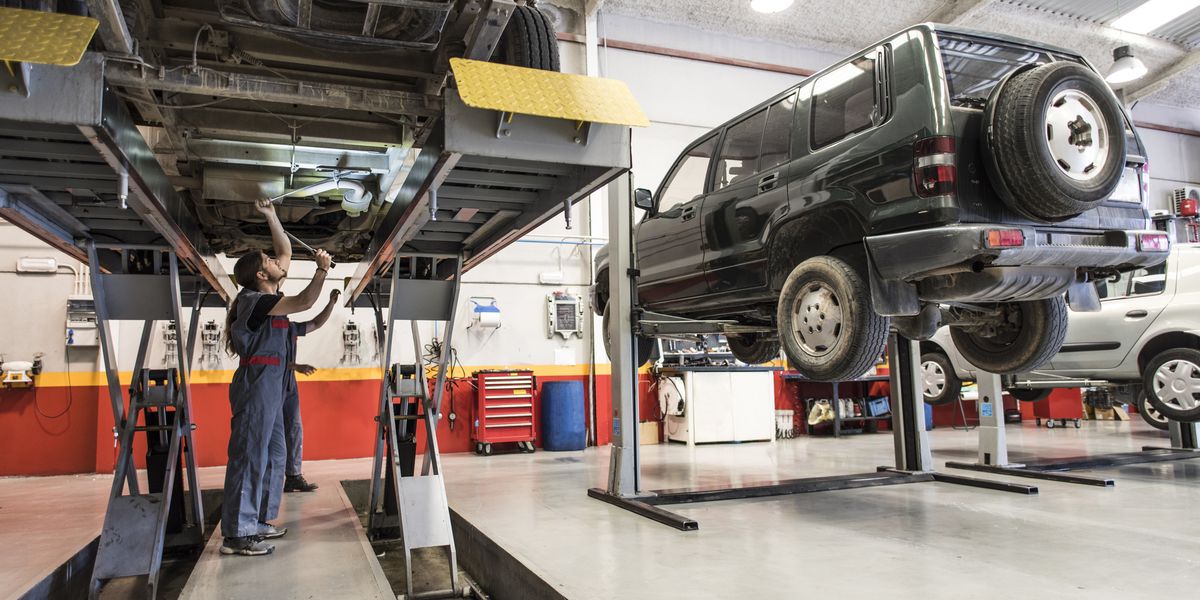

The auto repair shop industry is one of the most vital sectors in the modern economy, ensuring the longevity and performance of vehicles across the globe. Its development reflects not just the progress of automotive technology, but also broader social, economic, and industrial trends. From the early days of rudimentary repair garages to today’s advanced service centers equipped with diagnostic computers and robotics, the industry’s transformation is a testament to innovation, adaptation, and the enduring importance of skilled labor.
Early Beginnings: The Birth of the Auto Repair Industry
The origins of the auto repair industry can be traced back to the late 19th and early 20th centuries when automobiles began to replace horse-drawn carriages. In the early 1900s, cars were mechanical novelties, owned mostly by the wealthy. At that time, repair services were performed by blacksmiths, bicycle mechanics, and machinists who adapted their skills to the needs of these new machines. The first “auto repair shops” were often small workshops attached to early dealerships or independent garages in urban areas.
As automobiles became more common after Henry Ford introduced mass production with the Model T in 1908, the need for dedicated repair facilities grew exponentially. Vehicle owners required specialists who could perform maintenance, fix engines, and replace mechanical parts. These early shops were often family-owned and relied heavily on manual labor and mechanical intuition, as diagnostic tools were primitive or nonexistent.
Expansion in the 1920s–1940s: The Rise of Independent Garages
The 1920s marked a turning point in the auto repair shop industry, as car ownership expanded among middle-class Americans. With millions of vehicles on the road, independent garages became more common, offering maintenance and repair services outside of manufacturer dealerships. During this period, the concept of customer trust and reputation became central to a repair shop’s success.
The Great Depression of the 1930s further influenced the industry. Economic hardship led consumers to repair rather than replace their vehicles, which boosted demand for reliable and affordable repair services. Shops that could extend the lifespan of older vehicles thrived during this time. Mechanics became problem solvers, using ingenuity to keep cars running even when parts were scarce.
During World War II, many auto mechanics transitioned into defense industries or military service, where they maintained tanks, trucks, and aircraft. The technical skills they gained during wartime later contributed to advances in civilian auto repair practices.
Post-War Boom: Technological and Cultural Shifts
Following World War II, the United States experienced an economic boom that transformed the automotive landscape. Car ownership soared, suburbanization expanded, and the interstate highway system began to take shape. With more vehicles came more demand for professional auto maintenance.
In the 1950s and 1960s, car manufacturers introduced increasingly complex designs, which required more specialized knowledge for repair. Independent garages started investing in better tools, lifts, and diagnostic equipment. The rise of franchise auto repair chains began during this era, offering standardized services and brand recognition. These chains helped introduce a new level of professionalism and consistency in auto repair, setting quality benchmarks across the nation.
The post-war era also saw the emergence of the automotive service technician as a recognized profession. Training programs and technical schools began offering courses in automotive mechanics, fueling a generation of skilled workers. The industry moved from a trade-based to a more technical, structured occupation with certifications and industry standards.
The 1970s–1980s: Regulation, Oil Crises, and Computerization
The 1970s brought new challenges and transformations. The oil crises of 1973 and 1979 forced automakers to focus on fuel efficiency, leading to new engine designs and technologies that required updated knowledge among mechanics. The introduction of emission control systems, such as catalytic converters and electronic fuel injection, made cars more environmentally friendly but also more complex to service.
Government regulations, particularly from the Environmental Protection Agency (EPA), mandated stricter emission standards, compelling repair shops to adapt quickly. Mechanics had to learn how to handle new materials and systems while maintaining compliance with safety and environmental standards.
By the 1980s, computerization began to redefine the auto repair industry. The introduction of onboard diagnostics (OBD) systems meant that repair shops now needed to invest in diagnostic computers and electronic testing equipment. Mechanics had to transition from purely mechanical work to understanding the interplay between software and hardware.
The 1990s: The Era of Specialization and Professional Certification
The 1990s marked a period of refinement and specialization. Vehicles were becoming increasingly complex, with advanced electronics, sensors, and computerized components. Repair shops that could handle such systems became highly sought after. This era also saw the rise of certification programs such as the National Institute for Automotive Service Excellence (ASE), which established credibility and professional standards across the industry.
Consumers became more informed and selective, valuing not only technical skills but also customer service and transparency. The auto repair shop industry responded with innovations like service warranties, transparent pricing, and customer loyalty programs.
Additionally, the decade witnessed the beginnings of fleet maintenance services, as businesses with large vehicle fleets required regular and reliable servicing. This created new opportunities for repair shops to expand into corporate contracts and fleet management solutions.
The 2000s: The Digital Transformation
The turn of the millennium ushered in a new wave of digital transformation. Repair shops began integrating software-driven diagnostic tools, digital record-keeping, and online appointment scheduling. The internet also changed how consumers interacted with auto repair businesses, with the rise of online reviews, local SEO marketing, and price comparison tools influencing customer decisions.
Hybrid vehicles like the Toyota Prius, launched in the late 1990s, brought new technical challenges. Auto repair professionals needed specialized training to handle high-voltage systems, battery packs, and hybrid drivetrains. As these technologies evolved, shops that adapted early gained a competitive edge.
The 2000s also saw the spread of mobile mechanics and on-site repair services, offering convenience for customers seeking flexibility.
The 2010s to Present: Automation, Electrification, and AI Integration
The last decade has been the most transformative yet. With the rise of electric vehicles (EVs), autonomous driving technologies, and AI-based diagnostics, the auto repair shop industry continues to evolve rapidly. Traditional mechanical expertise is no longer sufficient; technicians now need proficiency in software, electronics, and renewable energy systems.
Electric vehicles, led by major automakers, have significantly changed the repair landscape. EVs have fewer moving parts and require less routine maintenance, but their specialized components demand expert knowledge. This shift has prompted repair shops to invest in EV certification programs, insulated tools, and high-voltage safety training.
Artificial intelligence is also reshaping diagnostic processes. Modern vehicles generate extensive data that can be analyzed in real-time to predict component failure and optimize repair schedules. Shops leveraging predictive maintenance technology can detect issues before they escalate, improving customer satisfaction and operational efficiency.
Furthermore, the integration of augmented reality (AR) and virtual training platforms allows technicians to visualize complex repair procedures without dismantling entire systems. These technologies reduce errors and improve repair speed and accuracy.
The Future of Auto Repair: Sustainability and Smart Mobility
As the automotive industry transitions toward sustainable mobility, repair shops will play a critical role in supporting this transformation. The future of the auto repair shop industry lies in adaptability, technological literacy, and environmental responsibility.
Key trends shaping the next generation of repair shops include:
- Sustainable materials and eco-friendly practices such as recycling parts, proper disposal of fluids, and minimizing carbon footprints.
- Advanced diagnostics and predictive analytics for proactive maintenance.
- Integration of 3D printing for custom parts manufacturing and rapid prototyping.
- Connected service ecosystems where repair data syncs directly with manufacturers and insurance companies for transparency and efficiency.
Frequently Asked Questions (FAQ)
Q1. How did the first auto repair shops operate without modern tools?
Early auto repair shops relied primarily on mechanical intuition and manual tools. Mechanics learned through experience, using trial and error to diagnose and repair issues. The work was labor-intensive, and parts often had to be fabricated on-site.
Q2. How has computerization improved modern auto repair services?
Computerization has enhanced accuracy, speed, and consistency in diagnostics. With OBD-II systems and advanced scanning tools, technicians can identify faults precisely, reducing repair time and minimizing guesswork.
Q3. What skills are essential for modern auto technicians?
Today’s technicians need a blend of mechanical expertise, computer literacy, and electrical knowledge. Understanding software systems, AI diagnostics, and EV components is crucial for success in the current market.
Q4. How will electric vehicles change the demand for traditional repair shops?
While EVs require less frequent maintenance, they still need specialized servicing for batteries, software, and electrical components. Repair shops that upskill in these areas will remain vital to the automotive ecosystem.
Q5. Are there opportunities for small independent repair shops in the modern era?
Absolutely. Independent repair shops that focus on personalized service, niche expertise, and community trust can thrive alongside large chains, especially by specializing in hybrid, EV, or classic car restoration.

Comments are closed.