
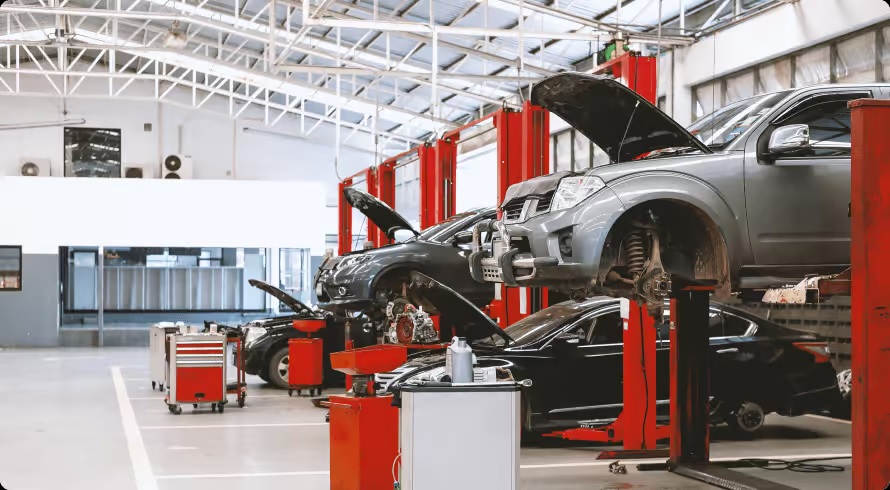

Every vehicle owner knows the importance of fixing car issues when they arise, but far fewer understand the value of preventing those problems before they happen. Preventive maintenance isn’t just about oil changes or tire rotations—it’s a proactive approach to keeping your car running efficiently, safely, and reliably through every season. Visiting an auto repair shop regularly for preventive maintenance ensures that your vehicle performs at its best, saves you money on costly repairs, and extends its overall lifespan. A year-round commitment to maintenance is one of the smartest investments any driver can make.
The Concept of Preventive Maintenance
Preventive maintenance is the practice of inspecting, servicing, and replacing components before they fail. Instead of waiting for something to break down, technicians perform scheduled checks to identify wear, leaks, corrosion, or performance issues early. This process includes monitoring the condition of fluids, belts, hoses, brakes, and electrical systems—areas that often degrade gradually over time.
Professional auto repair shops follow manufacturer-recommended maintenance schedules, but they also tailor inspections to your vehicle’s specific driving conditions. Whether you commute in city traffic, drive in harsh climates, or travel long distances, preventive maintenance adapts to your needs.
The Financial and Safety Advantages of Preventive Maintenance
One of the biggest misconceptions about maintenance is that it’s expensive. In reality, it’s much cheaper than emergency repairs. A neglected oil change or brake inspection can lead to engine damage, brake failure, or transmission problems—all of which cost significantly more to repair than the small preventive steps needed to avoid them.
Regular maintenance also improves safety. A well-maintained vehicle responds better in emergencies, stops faster, and provides consistent performance across various driving conditions. In addition, preventive care ensures your vehicle passes emissions tests, helping you stay compliant with state laws and protecting the environment.
Why Preventive Maintenance Should Be Done Year-Round
Many drivers mistakenly view maintenance as a seasonal task, focusing only before winter or summer. However, vehicles experience wear every month, and different seasons present unique challenges. Performing year-round maintenance at your local auto repair shop ensures that your car adapts to changing temperatures, humidity, and road conditions.
Spring: Post-Winter Recovery
Winter weather can take a serious toll on your car. Salt, slush, and freezing temperatures cause corrosion, battery drain, and tire damage. As temperatures rise, spring maintenance focuses on cleaning and recovery.
Spring maintenance includes:
- Undercarriage cleaning: Removes salt and grime that cause rust.
- Brake inspection: Checks for corrosion on rotors and calipers.
- Tire rotation and alignment: Corrects uneven wear from icy roads.
- Wiper and washer system replacement: Ensures visibility during spring rain.
- Battery test: Identifies winter-related power loss.
An auto repair shop can also inspect suspension components that may have suffered from pothole impacts caused by frost damage.
Summer: Managing Heat and Heavy Driving
Summer driving involves long road trips, higher speeds, and increased engine temperatures. Heat affects fluids, tires, and cooling systems more than any other season.
Key summer maintenance steps include:
- Cooling system check: Ensures the radiator and coolant maintain proper temperatures.
- Air conditioning service: Restores efficiency and comfort during hot weather.
- Fluid inspection: Verifies proper levels and viscosity of oil, brake, and transmission fluids.
- Tire inspection: Checks pressure and tread for expansion due to heat.
- Battery and charging system test: Prevents breakdowns caused by heat stress.
Your auto repair shop can also examine belts and hoses that expand in high temperatures, preventing mid-trip failures.
Fall: Preparing for Cold Weather
As temperatures begin to drop, vehicles need adjustments to prepare for winter’s harsh conditions. Fall maintenance focuses on optimizing performance and reliability before freezing temperatures set in.
Typical fall maintenance includes:
- Oil change with winter-grade oil: Improves lubrication in cold starts.
- Heating system inspection: Ensures defrosters and heaters work properly.
- Tire replacement: Installing all-weather or winter tires as needed.
- Brake system check: Prepares for slippery, icy conditions.
- Battery replacement: Prevents failure from upcoming cold.
Preventive maintenance in the fall also involves inspecting weather seals and wiper blades, which often deteriorate after a hot summer.
Winter: Protecting Against Extreme Conditions
Winter is the toughest season for any vehicle. Cold weather thickens fluids, weakens batteries, and reduces tire traction. Regular inspections and timely maintenance are essential for safe driving.
Winter maintenance should include:
- Coolant and antifreeze testing: Prevents freezing and overheating.
- Tire pressure monitoring: Compensates for pressure drops in cold air.
- Brake and ABS check: Ensures stability on icy roads.
- Engine performance testing: Detects weak spark plugs or misfires.
- Exhaust inspection: Prevents harmful gas leaks inside the cabin.
Auto repair shops also recommend keeping emergency supplies—such as jumper cables, tire inflators, and blankets—in your car during the winter season.
The Core Elements of Preventive Maintenance
Beyond seasonal checks, preventive maintenance revolves around several key systems that affect your car’s long-term health.
1. Engine Care
The engine is the heart of your vehicle, and preventive maintenance keeps it functioning efficiently.
Auto repair shops focus on:
- Changing oil and filters regularly to reduce friction and remove contaminants.
- Replacing worn spark plugs and ignition coils to maintain combustion efficiency.
- Inspecting belts and timing chains for cracks or misalignment.
- Testing the air and fuel filters to ensure optimal airflow and fuel delivery.
A well-maintained engine not only improves fuel economy but also extends vehicle life significantly.
2. Brake System Maintenance
Brakes are a critical safety component, and ignoring them can lead to serious accidents. Preventive maintenance keeps your braking system responsive and reliable.
Technicians inspect:
- Brake pads and rotors for wear and corrosion.
- Brake fluid levels and contamination.
- Calipers, lines, and hoses for leaks.
- ABS sensors for accurate traction control.
Addressing minor brake issues early can prevent major failures and maintain stopping power during emergencies.
3. Transmission and Drivetrain Service
The transmission is one of the most expensive components to repair, making preventive care especially important.
Typical services include:
- Checking and replacing transmission fluid.
- Inspecting seals, clutches, and solenoids for wear.
- Testing driveline components like the differential and CV joints.
Regular inspections prevent shifting problems and costly overhauls down the line.
4. Battery and Electrical System
Modern vehicles rely on complex electrical systems to power everything from headlights to onboard computers.
Preventive steps include:
- Testing battery charge and alternator output.
- Cleaning terminals and applying anti-corrosion spray.
- Inspecting wiring and fuses for wear or moisture intrusion.
Routine electrical maintenance reduces the risk of starting failures or dashboard warning light errors.
5. Fluid Management
Fluids are vital for lubrication, cooling, and hydraulic operation. Neglecting them can lead to engine overheating or transmission damage.
Shops check and replace:
- Engine oil
- Transmission fluid
- Coolant
- Power steering fluid
- Brake fluid
- Windshield washer fluid
Maintaining the right fluid quality ensures optimal vehicle performance in all weather conditions.
6. Tire Care and Alignment
Tires directly influence handling, fuel efficiency, and braking.
Maintenance involves:
- Rotating tires every 5,000–7,500 miles.
- Balancing and aligning wheels.
- Checking for uneven wear or embedded debris.
- Ensuring proper air pressure year-round.
Preventive tire maintenance maximizes tread life and improves safety in both dry and wet driving conditions.
Long-Term Benefits of Consistent Maintenance
Routine visits to your auto repair shop aren’t just about immediate performance—they create lasting value over time.
Key long-term advantages include:
- Increased resale value: A well-documented maintenance history attracts buyers.
- Reduced breakdown risk: Regular inspections catch small issues before they become emergencies.
- Better fuel efficiency: Clean filters and fresh fluids improve engine performance.
- Extended component lifespan: Proper care minimizes wear on critical parts.
- Peace of mind: Drivers can travel confidently, knowing their vehicle is dependable year-round.
The Role of Auto Repair Shops in Preventive Maintenance
Professional auto repair shops are more than places to fix problems—they are partners in vehicle health. These facilities use advanced diagnostic equipment to identify potential issues early and follow manufacturer specifications for service intervals. Trained technicians also keep detailed maintenance records, ensuring each visit builds on the last.
Unlike DIY maintenance, professional services provide precision and accountability. Mechanics check torque specifications, fluid compatibility, and software updates that most drivers overlook. This expertise ensures consistent performance, regardless of the season or mileage.
FAQs
Q1: How often should I visit an auto repair shop for preventive maintenance?
Most experts recommend every 5,000 to 7,500 miles, depending on your driving habits and manufacturer guidelines.
Q2: Is preventive maintenance necessary for newer cars?
Yes. Even new vehicles need regular inspections to maintain warranties and detect early issues caused by factory defects or driving conditions.
Q3: Can skipping maintenance void my warranty?
It can. Many manufacturer warranties require proof of scheduled maintenance performed by certified professionals.
Q4: What signs indicate overdue maintenance?
Warning lights, decreased fuel economy, squealing brakes, vibration, and delayed acceleration are common signs you need a checkup.
Q5: Is preventive maintenance different from regular servicing?
Regular servicing addresses immediate issues, while preventive maintenance focuses on anticipating and avoiding future problems.
Q6: Do electric and hybrid cars need the same level of preventive care?
Yes, though their systems differ. Electric vehicles require regular checks on brakes, tires, and software updates, while hybrids need battery and inverter inspections.
Q7: Can preventive maintenance help improve fuel economy?
Absolutely. Clean filters, properly inflated tires, and timely oil changes significantly improve fuel efficiency.
Year-round preventive maintenance at a trusted auto repair shop ensures your vehicle remains dependable, efficient, and safe in every season. By addressing issues early and maintaining a consistent care schedule, you protect both your investment and your safety every time you get behind the wheel.

Comments are closed.